More Than a Game: The Playful Power of Sports People Font
In the world of design, we often seek typefaces that convey seriousness, authority, or sleek minimalism. But what happens when your project demands a burst of energy, a dose of fun, and an unmistakable sense of personality? This is where a font like Sports People enters the field. It’s not just a collection of letters; it’s a creative asset designed to inject life and character into a wide array of projects. For designers, marketers, and creators looking to connect with an audience on a more playful level, understanding this typeface is key.
A Typeface with Character: Deconstructing the Doodle Font
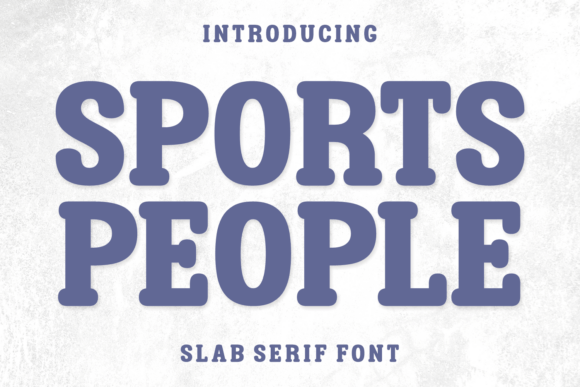
At its core, Sports People is a display font, meaning it’s crafted for headlines, logos, and short bursts of text where visual impact is paramount. Its defining trait is a charming, hand-drawn aesthetic that feels both familiar and fresh. Imagine the bold, chunky letters you’d see on a child’s sticker sheet or a fun, motivational poster. The letterforms have a rounded, slightly irregular quality that mimics the gentle imperfections of pen or marker, giving it a warm, human touch. This isn't a stiff, corporate sans serif font; it's a creative font with a personality all its own.
The visual weight of Sports People is significant. Its fat, substantial strokes ensure that words don’t just sit on a page—they command attention. This chunkiness makes it exceptionally effective for designs that need to feel solid and confident, yet approachable. The familiar feel of quote fonts and sticker typography is baked into its DNA, allowing it to prompt instant recognition and a positive emotional response. It’s a premium font that understands its role: to be seen, to be enjoyed, and to make the message stick.
From Branding to Scrapbooks: Where Sports People Shines
The true test of any typeface is its versatility. Sports People excels in environments where a cheerful, informal tone is desired. For logo design and brand identity projects targeting families, children, or the wellness and fitness industries, it offers a unique voice. A logo set in this font for a local kids' sports league, a family-friendly café, or a summer camp instantly communicates fun and inclusivity. It helps build a brand identity that feels accessible and energetic.
In packaging design, this font can make products pop off the shelf. Think of labels for artisanal snacks, playful beverages, or children's party supplies. The modern typography style ensures it feels current, while its retro touch adds a layer of nostalgic charm. For editorial design, it’s a fantastic choice for chapter headings in light-hearted books, magazine features on lifestyle or hobbies, or fun elements within a scrapbook layout. Its clear form makes it a darling for projects involving tote bags, greeting cards, and SVG projects where clean cuts are essential.
Digital creators will find it invaluable for social media graphics. An Instagram story promoting a sale, a Facebook banner for a community event, or a Pinterest pin for a DIY tutorial gains an immediate friendly vibe. Its compatibility with silhouette designs also makes it a favorite on platforms like Tumblr for creating themed graphics and memes. Even in web design, it can be used strategically for call-to-action buttons or hero section headlines to guide user attention with a smile.
Practical Application: Making the Font Work for You
Choosing a font like Sports People requires more than just liking its look; it demands a practical evaluation of fit. First, consider your audience. Is the playful, cartoon-like style appropriate for the message and the people you’re trying to reach? It’s perfect for children’s events, casual brands, and personal projects, but might not align with a luxury law firm or a high-end financial service.
Next, think about font pairing. A bold display font like this rarely works well set in long paragraphs. Its strength is in headlines and short phrases. Pair it with a clean, neutral serif font or sans serif font for body text to ensure readability and create a clear visual hierarchy. For example, a headline in Sports People followed by a few lines in a font like Open Sans or Lora creates a balanced and professional layout. Always test your pairings to see how they interact on screen and in print.
Review the included styles. A comprehensive commercial font will typically include uppercase, lowercase, numbers, and punctuation marks. Check if it includes multilingual support if needed. For print projects, from T-shirts to book covers, ensure the font’s readability holds up at the intended size. What looks great as a large title on a screen might lose its charm if printed too small on a physical product. Finally, understand the licensing. If you’re using it for commercial work—like on products for sale, client logos, or monetized content—ensure you have the appropriate commercial font license to avoid legal issues down the line.
Ultimately, Sports People is more than just a design asset; it’s a tool for storytelling. It allows you to build a brand identity that resonates with warmth and approachability, create social media graphics that stop the scroll, and design physical goods that people love to use. By applying it thoughtfully, you can harness its unique personality to create designs that are not only visually engaging but also deeply connected to your audience's sense of fun and nostalgia. It’s a reminder that sometimes, the most effective design is the one that makes people smile.