Second Block: The Slab Serif with Vintage Grit and Modern Polish
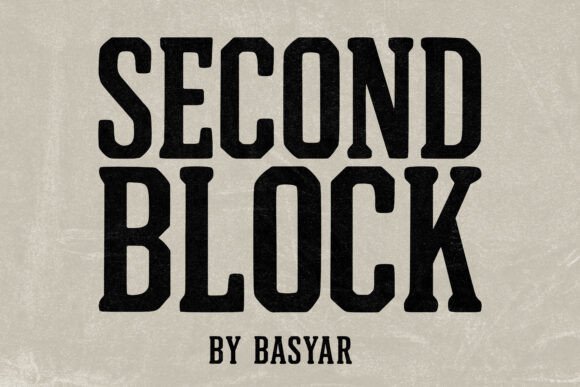
When you need a typeface that doesn't just sit quietly on the page but makes a statement, Second Block steps up. This is a bold slab serif font that draws its strength from the visual language of classic Americana, vintage signage, and rugged western print. It’s not trying to be delicate or understated. Instead, it offers a confident, assertive presence built on strong vertical strokes, wide-set shoulders, and clean, unadorned slab serifs. The overall effect is a design that feels both timeless and grounded, with a touch of rebellious charm that catches the eye without shouting for attention.
Understanding the Anatomy and Appeal
What makes Second Block immediately recognizable is its structure. The tall, slightly narrow build of each character allows for space-efficient impact, meaning you can create powerful headlines without consuming excessive real estate. This is a practical consideration for designers working on packaging, posters, or web banners where space is at a premium. The uniform weight and consistent rhythm across the typeface ensure excellent legibility, even at smaller sizes or from a distance. It’s this balance of boldness and clarity that gives the font its versatility. It carries the weight of a display font but maintains the readability needed for more extended applications like subheadings or pull quotes in editorial design.
The personality of Second Block is rooted in its heritage. Think of hand-painted signs on old storefronts, the lettering on rodeo posters, or the stark typography of vintage travel guides. It evokes a sense of authenticity, craftsmanship, and straightforward communication. Yet, because it’s a modern interpretation, it avoids feeling like a historical relic. The lines are clean, the forms are optimized for contemporary use, and it sits comfortably within a framework of modern typography. It’s a premium font that delivers a specific aesthetic: rugged confidence with a polished finish.
Where This Typeface Truly Shines
The applications for a font like Second Block are surprisingly broad, stretching across commercial and personal projects alike. For logo design and brand identity, it’s a natural fit for businesses wanting to project strength, reliability, and a classic sensibility. Think craft breweries, outdoor apparel brands, artisanal food producers, barbershops, or any venture that values heritage and hands-on quality. The font’s assertive character helps a brand name stand out and become instantly recognizable, which is a cornerstone of effective brand identity.
In packaging design, its clarity and impact are invaluable. Product names or key messages set in Second Block will command attention on a crowded shelf. For marketing materials like posters, flyers, and social media graphics, it excels at grabbing attention and delivering a message quickly. Its vintage flair also makes it perfect for themed events, festival branding, or any project aiming for a retro or western vibe. Even in web design, it can be used strategically for hero sections, call-to-action buttons, or prominent headings to inject personality and break the monotony of more neutral sans serif font or serif font pairings.
Practical Guidance for Designers and Creators
Choosing the right creative font is about more than just liking how it looks in a specimen sheet. You need to evaluate if its personality aligns with your project’s goals. Ask yourself: Does the confident, vintage tone of Second Block match the message I’m trying to send? For a tech startup aiming for sleek minimalism, it might clash. For a handmade leather goods shop, it’s a perfect match. Always test the font in context. Mock it up in your actual design—place it on a sample product, a website header, or a social media post. How does it feel? Does it enhance or overwhelm the other design elements?
Consider font pairing carefully. Second Block has a strong voice, so it often works best when paired with a more neutral companion. A clean, geometric sans serif font can provide a modern counterbalance for body text, while a subtle script font or handwritten font can add a complementary touch of warmth and personality. Review the styles included with the commercial font package. Does it offer different weights or alternate characters that could expand your creative options? Check the licensing for your intended use—whether it’s for a client project, merchandise, or a website—to ensure you’re covered. Finally, test its readability across the sizes and mediums you plan to use it for. Its strength is in headlines and impactful text, so pair it with a more legible body font for longer passages.
Ultimately, Second Block is more than just a collection of letters. It’s a design asset that can define a visual tone, tell a story, and connect with an audience on an emotional level. When used thoughtfully, it brings a level of depth and character that generic fonts simply cannot match, helping your project stand out with a voice that is both bold and authentically crafted.