Sweet Pink Hearts: A Font Bursting with Joyful, Handcrafted Charm
When a design calls for more than just letters—when it needs to convey a feeling of warmth, affection, and playful sweetness—a standard sans serif font often falls short. This is where a creative font like Sweet Pink Hearts steps in, transforming simple text into a vibrant visual element. It’s not just a typeface; it's a design asset packed with personality, perfect for projects that aim to delight and engage.
Anatomy of a Delightful Display Typeface
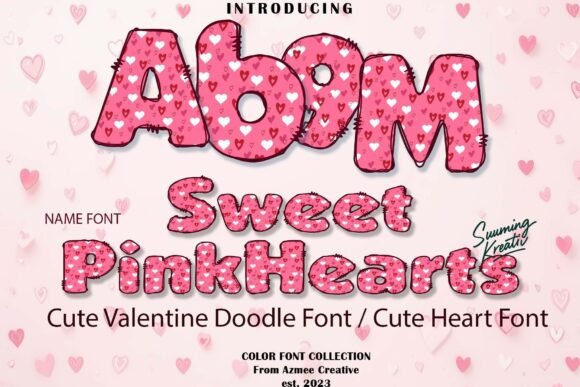
At its core, Sweet Pink Hearts is a display font characterized by its bold, rounded letterforms. What makes it unique is the hand-drawn, stitched outline that gives each character a crafted, tactile quality. The true magic, however, lies within the letters themselves: they are filled with lovely, intricate heart patterns. This combination of a soft silhouette and patterned interior creates a handwritten font feel that is both joyful and deeply affectionate. The overall aesthetic is one of youthful charm, making it a standout choice for any project that wants to communicate love and happiness in a visually rich way.
This premium font functions as a color font, meaning the heart patterns are part of the font file itself. This allows for a layered, multi-tonal look with a single click, eliminating the need for complex masking or manual coloring in design software. The result is a consistent, professional finish that saves time and elevates the final product, whether it's a digital graphic or a printed piece.
Where This Font Truly Shines: Real-World Applications
Understanding a font's personality is one thing; knowing where to apply it is another. Sweet Pink Hearts excels in scenarios where brand identity and emotional connection are paramount. Its strength lies in packaging design for boutique bakeries, confectioneries, or children’s clothing brands, where it can instantly communicate a handmade, sweet, and caring ethos. Imagine it on a cookie box or a boutique gift tag—the font itself becomes part of the product's story.
For editorial design and web design, its use should be strategic. It’s perfect for a Valentine's Day campaign header, a celebratory blog post title, or a special announcement in a newsletter. In social media graphics, it can stop the scroll for posts related to anniversaries, promotions, or community love, especially when paired with clean photography. The font is a natural fit for greeting cards, invitations, and stickers, but its application extends to custom apparel like t-shirts for school events or family reunions, and even nursery decor.
Practical Guidance for Designers and Creators
Integrating a distinctive font like Sweet Pink Hearts into your workflow requires some thoughtful consideration to ensure it enhances, rather than overwhelms, your design. Here’s how to approach it practically.
Evaluating Project Fit and Audience
First, assess if the font's personality aligns with your project's goals and audience. Sweet Pink Hearts is inherently playful, romantic, and youthful. It’s an excellent fit for children's party decor, a logo design for a heartfelt brand, or marketing materials for a seasonal event. It may not be the right choice for a corporate law firm or a tech startup aiming for a sleek, minimalist image. Always consider the message you need to convey.
The Art of Font Pairing for Balance and Legibility
Given its ornamental nature, Sweet Pink Hearts is best used for headlines, logos, or short bursts of text. For body copy or any substantial text block, pairing it with a clean, neutral typeface is crucial. A monolinear sans-serif font works beautifully to provide contrast and ensure readability. Think of it as the main performer on stage, supported by a reliable, understated chorus. This font pairing strategy creates visual hierarchy, directing the viewer's eye to the key message while maintaining overall design cohesion and professionalism.
Technical Considerations and Licensing
Before purchasing, verify the font's technical compatibility with your preferred design software, especially regarding its color font features. Most modern applications like Adobe Illustrator, Photoshop, and even some online editors support this technology. Always review the included styles and character sets—does it have the punctuation and symbols you need? Crucially, understand the commercial font license. If you plan to use it for client work, merchandise for sale, or digital products, ensure the license covers your intended use to avoid legal issues down the line. Reputable font foundries provide clear licensing information on their product pages.
In the vast landscape of modern typography