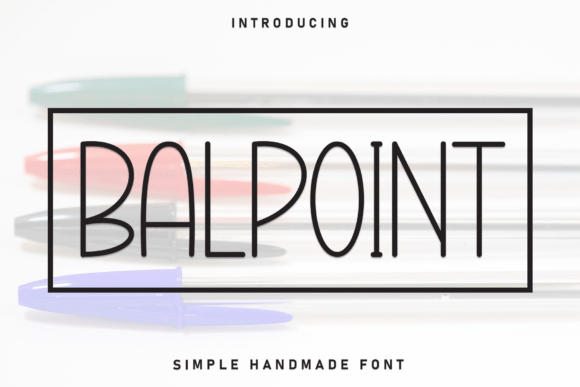
Balpoint: The Sleek Display Font for Modern Design
When a project calls for a typeface that feels both technical and elegant, without veering into cold sterility, the search can be surprisingly difficult. You need something with presence, but not noise. Something structured, yet approachable. This is the precise space where Balpoint operates. It’s a premium font built on a foundation of clean, minimalist design, making it a powerful tool for creators who value clarity and contemporary aesthetics. Think of it as the typographic equivalent of a well-organized studio or a perfectly set table—everything has a purpose and a place.
Anatomy of a Modern Typeface
Understanding what makes Balpoint tick is key to using it effectively. At its heart, it’s a display font, meaning it’s designed to make an impact at larger sizes, like in headlines, logos, and title cards. Its character is defined by several intentional choices. The letterforms are exceptionally tall and slender, creating an immediate sense of vertical rhythm and sophistication. The monolinear weight—where the stroke thickness remains consistent throughout each character—gives it a technical, precise feel, almost like it was drawn with a single, confident pen stroke.
Yet, this precision is softened by thoughtful details. The terminals, the ends of strokes on letters like ‘c’ or ‘e’, are gently rounded. This subtle curve injects a human touch, preventing the font from feeling overly mechanical. The consistent, airy spacing between letters (known as tracking) ensures it remains legible and balanced even at its slender proportions. This combination of traits makes Balpoint a fascinating hybrid: it has the orderly structure of a sans serif font but with a distinct personality that avoids generic neutrality.
Where Balpoint Truly Shines: Practical Applications
The real value of any creative font is measured by its utility. Balpoint isn’t just a pretty face; it’s a workhorse for specific, high-stakes design contexts. Its clean lines and professional demeanor make it an excellent candidate for architectural title blocks, technical drawings, and any layout where information must be presented with utmost clarity. In the realm of brand identity, it’s a standout choice for companies in tech, architecture, engineering, or high-end lifestyle brands that want to project an image of innovation, precision, and minimalist luxury.
For editorial design, consider using Balpoint for chapter titles, pull quotes, or magazine mastheads. It commands attention without overwhelming the accompanying body text, which might be set in a complementary serif font. In web design, it can create striking headers that establish a sophisticated tone from the first scroll. Its tall, slender form also translates beautifully to packaging design, especially for products that emphasize clean ingredients, modern craftsmanship, or a refined aesthetic. Even for social media graphics, a headline set in Balpoint can instantly elevate a post, making it look more intentional and professionally crafted.
Making the Choice: Pairing and Practicality
Adopting a new typeface into your toolkit requires a bit of strategy. First, evaluate the project’s core needs. Does your brand or publication aim for a sleek, contemporary, and slightly technical vibe? If yes, Balpoint is a strong contender. It’s less suited for whimsical, rustic, or traditionally ornate projects where a script font or a classic serif would be more appropriate.
Next, think about font pairing. Because Balpoint has such a strong personality as a display face, it thrives when paired with a neutral, highly readable body font. A simple, geometric sans serif font for body copy often works beautifully, maintaining the modern feel. Alternatively, pairing it with a classic, readable serif font can create a sophisticated and dynamic contrast, where Balpoint handles the drama and the serif handles the narrative. Always test your pairings in context—see how a headline looks above a paragraph, not just in a font specimen sheet.
Before finalizing, review what’s included with the commercial font license. Does it offer the weight variations you need? Check for extended language support if you work with international audiences. Test for readability at the sizes you intend to use; while it’s designed for display, ensuring key characters are distinct is crucial. Finally, confirm the licensing covers all your intended uses, whether for a client’s logo, a digital product, or printed materials. A font is one of your most important design assets, and choosing one like Balpoint is about finding a partner that aligns with your creative vision and practical requirements. Its strength lies in its ability to provide that clean, authoritative voice many modern projects need, helping to build a visual identity that is both recognizable and respected.