Shatoze: An Experimental Font for Bold Urban Design
Capturing the Raw Energy of Street Art in Typography
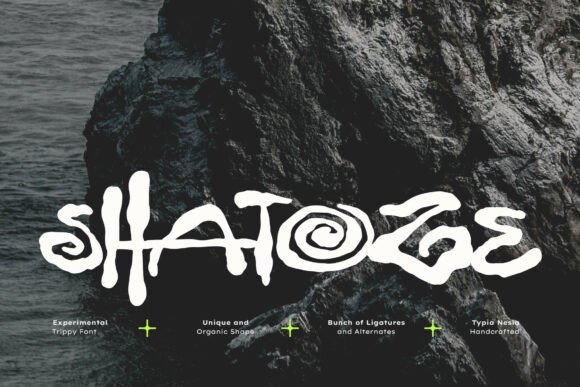
There's a particular energy you see on a gritty city wall, a concert poster wheat-pasted over layers of history, or the frantic, beautiful scrawl of a punk zine. It’s not polished. It’s not perfect. It’s raw, immediate, and dripping with authenticity. That’s the exact vibe the Shatoze typeface captures. As an experimental irregular quirky urban graffiti font, it’s built for projects that need to scream originality, not whisper it. It’s a tool for designers who understand that sometimes, breaking the rules is the only way to make something truly stand out.
Forget sterile, corporate letterforms. Shatoze is a premium font with a hand-drawn, textured finish that feels like it was ripped from a sketchbook or sprayed onto concrete. The characters are intentionally uneven, with a grunge aesthetic that can lean into a psychedelic, high-energy territory. This isn't a font for body text; it's a display font engineered for impact. Its personality is rebellious, disruptive, and unapologetically unique, making it a potent choice for anyone looking to inject a dose of punk and street credibility into their work.
Where Does a Typeface Like Shatoze Truly Shine?
Understanding where to deploy such a distinct character is key to using it effectively. A font like Shatoze thrives in contexts where grabbing attention is the primary goal. Its chaotic beauty is perfect for creating standout logo design for brands that position themselves as edgy, alternative, or countercultural. Think independent record labels, skate shops, streetwear brands, or a local tattoo studio. The font becomes a core part of the brand identity, instantly communicating a rebellious spirit before a single word of copy is read.
In editorial design and packaging design, it can be a secret weapon. Imagine a magazine cover for a music publication, the headline for a feature on underground art, or the label on a craft beer with a punk ethos. Shatoze provides the visual hook. For event promotion, it’s a natural fit. Music festivals, underground club nights, and extreme sport events all live in a world of high-octane visuals. Using this creative font for posters, flyers, and social media graphics ensures your message cuts through the noise with a visceral, urgent energy that more conventional typefaces can't match.
Beyond the Headlines: Practical Considerations for Using Shatoze
Adopting a powerful typeface like Shatoze requires more than just a click. First, evaluate the project fit. Is the goal to convey trust and stability, or to disrupt and energize? For a law firm, it’s a poor choice. For a new energy drink or a VR gaming platform, it could be perfect. The font’s personality must align with the message. A key strength of Shatoze is its extensive character set, ligatures, and alternates. This isn't a one-trick pony. Experimenting with these features allows you to create truly custom headlines and logos, avoiding the repetitive look that can plague lesser display fonts.
One of the most critical steps is considering font pairing. A font this expressive needs a grounding partner. Pairing Shatoze with a clean, neutral sans serif font for subheadings or body copy is a classic strategy. The contrast allows the headline to be the star while maintaining readability and visual hierarchy. Trying to pair it with a busy serif font or another expressive handwritten font often creates visual chaos. Test your pairings extensively. View them at different sizes, on different mockups, and in the context of your actual content.
Finally, address the practicalities. Always review the full character set to see what special features are available. Pay close attention to readability at smaller sizes—this is a font for large, impactful text, not fine print. As a commercial font, ensure you understand the licensing. Is it for a single project, or does your team need a broader license? Using a premium font like Shatoze correctly means respecting its design intent and its legal framework. When used with thought and precision, it’s more than just a design asset; it’s a catalyst for creating work that is memorable, disruptive, and authentically original.