Candy Fruit: A Handwritten Font for Relaxed Branding
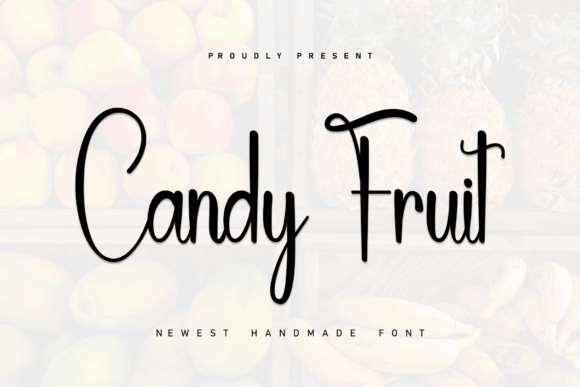
There’s a particular kind of visual energy that a marker-drawn typeface brings to a project. It’s immediate, human, and full of character. The Candy Fruit font captures this perfectly, offering a handwritten style that feels both relaxed and sporty. It’s the kind of creative font that doesn’t shout for attention but instead invites the viewer in with a confident, casual charm. If your design goal is to look luxurious and elegant without the stiffness, this typeface is worth a close look.
Understanding the Personality of Candy Fruit
At its core, Candy Fruit is a display font with a distinct handwritten aesthetic. The strokes mimic the fluid, slightly textured lines of a marker, giving it an organic quality that feels authentic and approachable. Unlike a formal script font, it doesn’t rely on elaborate swashes or rigid structure. Instead, it maintains a clean, modern legibility while preserving the warmth of hand lettering. This balance is its greatest strength. It can convey sophistication in a wedding invitation yet feel perfectly at home on a trendy coffee shop menu or a fitness brand’s social media graphics.
The font’s personality is versatile. It leans toward the casual side of elegance, making it ideal for brands and projects that want to avoid looking overly corporate or stuffy. Think of it as the typographic equivalent of a well-tailored linen shirt—it’s put-together, but not trying too hard. This makes Candy Fruit a strong candidate for contemporary brand identity systems, especially those targeting audiences who value authenticity and a relaxed lifestyle.
Where This Handwritten Font Truly Shines
The real-world applications for a font like Candy Fruit are extensive. Its relaxed sporty feel translates well across both digital and print media. For entrepreneurs and small business owners, it’s a tool that can inject personality into everyday marketing materials.
- Branding and Logo Design: It works exceptionally well for logos in the wellness, lifestyle, food, and boutique retail sectors. The handwritten style feels personal and trustworthy, helping to build an immediate connection with customers.
- Marketing and Social Media: On platforms like Instagram or Pinterest, where visual first impressions are critical, Candy Fruit can make headlines, quotes, and call-to-action text stand out. Its casual elegance is perfect for creating engaging social media graphics that feel native to the feed.
- Packaging and Product Design: For artisanal products, cosmetics, or gourmet foods, this font adds a touch of crafted care to packaging design. It suggests a product made with attention to detail and a personal touch.
- Editorial and Publishing: Bloggers, magazine designers, and content creators can use it for pull quotes, chapter headings, or feature titles to break the monotony of standard body text. It adds visual interest without sacrificing readability in short bursts.
- Event and Wedding Stationery: Its elegant yet relaxed vibe is a natural fit for save-the-dates, invitations, and thank-you cards. It offers a more modern alternative to traditional wedding scripts.
- Digital Interfaces: Used sparingly in web design—perhaps for a hero section headline or a button label—it can humanize a digital experience and guide user attention effectively.
Making the Practical Choice: Pairing and Readability
Choosing any display font requires a bit of strategic thinking. Candy Fruit is no different. Its primary role is to attract attention and convey mood, not to be used for long paragraphs of body copy. For readability in extended text, you’ll want to pair it with a clean, highly legible serif font or sans serif font. A classic sans serif like Helvetica or a friendly serif like Lora can provide a stable, readable foundation that lets the handwritten headlines pop.
When evaluating its fit for your project, consider your audience and the message you need to send. Does your brand personality align with being approachable, modern, and a bit playful? If yes, this font could be a great asset. Test it by creating mockups of your key materials—a business card, a website header, a social media post. See how it feels in context. Does it support your message or distract from it?
Also, take time to review the font’s full character set. A good premium font will include a range of glyphs, alternates, and perhaps even ligatures that allow for more customized typographic compositions. Check the licensing terms as well, especially if you plan to use it for commercial projects, merchandise, or client work. Understanding the commercial font license ensures you’re covered legally and can use the asset confidently across all your design assets.
Ultimately, the right typeface is one that serves your project’s goals. Candy Fruit offers a unique blend of casual energy and elegant restraint. It’s a creative font that can help bridge the gap between professionalism and personality, making it a valuable tool in any designer’s or creator’s toolkit. By focusing on its strengths and pairing it wisely, you can leverage its character to make your designs more engaging and memorable.